have a renovation, custom home, or an extension project in mind? call will at 0414878543

Frequently Asked Questions (FAQs)
About Will Nelson
Who is Will Nelson Constructions?
Will Nelson Constructions is a boutique residential building company based on the NSW South Coast. We specialise in custom new homes, renovations, and extensions across Shoalhaven, Vincentia, St Georges Basin, and the surrounding coastal areas.
The business was founded by Will Nelson, a licensed builder who runs every project personally. That means when you work with WNC, you deal directly with Will from the first conversation to the day we hand over the keys. No project managers you have never met, no handoffs, and no surprises.
What areas of the NSW South Coast do you build in?
We build primarily across the Shoalhaven region and surrounding NSW South Coast areas, including Nowra, Vincentia, Huskisson, Jervis Bay, St Georges Basin, Sanctuary Point, Berry, Callala Beach, and Culburra Beach.
If you are based outside these areas but are building on the South Coast, reach out and we will let you know whether we can help. We assess projects on a case-by-case basis.
Is Will Nelson Constructions licensed and insured?
Yes. Will Nelson Constructions Pty Ltd holds NSW Builder Licence No. 367340C, issued by the NSW Building Commission. You can verify this at any time through the NSW Fair Trading licence check.
Contract Works & Public Liability Insurance: Every WNC project is covered by a builder's all-risk Contract Works Insurance policy from day one. This protects your home against material loss or damage during construction. WNC pays the applicable excess in the event of a claim. This cover expires at handover.
Home Building Compensation (HBC) Insurance: For all residential building work valued at $20,000 or more, WNC is legally required to hold Home Building Compensation insurance through icare's Home Building Compensation Fund (HBCF). This is a statutory requirement under the NSW Home Building Act 1989, and WNC must provide you with a Certificate of Insurance before commencing work or taking any payment including the deposit.
HBC insurance provides a safety net if a builder becomes insolvent, dies, disappears, or has their licence suspended due to non-compliance with a compensation order. In plain terms, it means that even in a worst-case scenario if something happened to WNC as a business, you would still have recourse to recover costs for incomplete or defective work. Coverage of up to $340,000 per claim is available under the HBCF in NSW as of 2024.
You should always ask any builder you are considering for their HBC Certificate of Insurance before signing a contract. A licensed, compliant builder will produce this without hesitation.
What makes WNC different from other builders on the South Coast?
The most important difference is direct access to Will throughout the entire build. Most larger builders hand you off to a project manager once the contract is signed. At WNC, Will is the person you call, the person on site, and the person who answers for the result. That level of personal accountability is rare in this industry.
Beyond that, a few things that matter to our clients: we provide a fortnightly payment tracker so you can see every dollar spent, we hold weekly site meetings to keep you across the build, we are honest about costs before they happen rather than after, and we only take on a limited number of projects at a time so every job gets the attention it deserves.
What warranty do you provide on your work?
WNC's warranty obligations come from two sources - the statutory requirements under NSW law and our own personal commitment to every client.
Statutory Warranty - NSW Home Building Act 1989
Under the Home Building Act 1989, the statutory warranty period is 6 years for major defects and 2 years for all other defects, with the warranty period starting on completion of the work.
A major defect means a serious issue that affects the structural integrity of the building, renders it uninhabitable, or poses an imminent risk of collapse or safety hazard. For example, foundation failure, roof structural faults, or load-bearing wall defects.
Other defects such as issues with paintwork, cabinetry, finishes, or fixtures, are covered for 2 years from completion.
If a defect only becomes apparent within the last 6 months of the warranty period, the homeowner gains an additional 6 months from the date of notification to commence proceedings. These warranties cannot be excluded or limited by any term in the building contract, they apply automatically by law.
Home Building Compensation Insurance: HBCF insurance also covers major defects for up to 6 years from completion, but only where the builder is no longer able to meet their obligations. For example, if they become insolvent, die, or disappear. A minimum of $340,000 in combined HBC cover applies for non-completion and defects within the statutory warranty period.
WNC's personal commitment: Beyond what the law requires, WNC stands behind every build. If something is not right after handover, Will comes back personally and fixes it. That is not a marketing claim, it is how we have built our reputation on the South Coast, and it is not something we take lightly.
Do you offer free consultation for new projects?
Yes. We offer a free initial consultation for all prospective clients, whether you are thinking about a renovation, an extension, or a custom new home. This is a genuine conversation with Will, not a sales call.
We will talk through your project, your site, your timeline, and your budget expectations and give you an honest assessment of what is realistic before you commit to anything. Call Will directly on 0414 878 543 or fill in the enquiry form on our contact page.
Costs and Pricing
How much does it cost to build a custom home on the NSW South Coast?
Custom home builds on the NSW South Coast typically range from $3,000–$5,500+ per square metre depending on the design, materials, site conditions, and level of finish. A 250m² home might cost anywhere from $750k to $1.4M or more for a high-spec architectural build.
Coastal builds tend to cost more than comparable inland builds due to material specifications required for salt air environments, site conditions, and local labour costs.
These are indicative figures only. The best way to get a realistic number for your specific project is to have a conversation with Will early before you finalise plans. That conversation is free and will save you from building to a budget that doesn't stack up.
What factors most affect the cost of a build or renovation on the South Coast?
The key cost drivers for South Coast projects include:
Site conditions: Slope, soil type, access, and proximity to the coast all affect foundation and site preparation costs significantly.
Coastal material specifications: Salt air requires specific coatings, hardware, cladding, and glazing. These materials cost more but are essential for longevity.
Design complexity: Architectural features, large spans, complex rooflines, and custom joinery all add cost.
Level of finish: The difference between a standard and premium finish level can be $200,000+ on a full build.
Approvals and engineering: DA costs, engineering reports, certifier fees, and council contributions are often underestimated.
Market conditions: Trade labour and materials costs on the South Coast reflect a regional premium over metro rates.
How much does a renovation or extension typically cost?
Renovation and extension costs vary significantly depending on scope, materials, and site conditions. As a general guide:
Bathroom renovation: $25,000–$60,000+ depending on size and finish level.
Kitchen renovation: $30,000–$80,000+ depending on joinery, appliances, and layout changes.
Single-storey rear extension (50–80m²): $150,000–$350,000+.
Full home renovation: $200,000–$700,000+ depending on scope.
The most common mistake renovation clients make is budgeting for the build without allowing for the hidden costs: engineering, approvals, unexpected structural issues, and finishes not included in the base contract. We can walk you through realistic total project costs before you commit to anything.
Do you offer fixed price or cost plus contract?
Yes. WNC can offer both fixed-price and cost plus contract options, depending on the project type, level of detail available, and what best suits the client and build.
Fixed Price Contract
A fixed-price contract is generally used when the design, scope, specifications, and selections are finalised before construction begins. This gives clients greater cost certainty because the agreed contract price is locked in, excluding approved variations or changes.
Fixed price progress payment stages
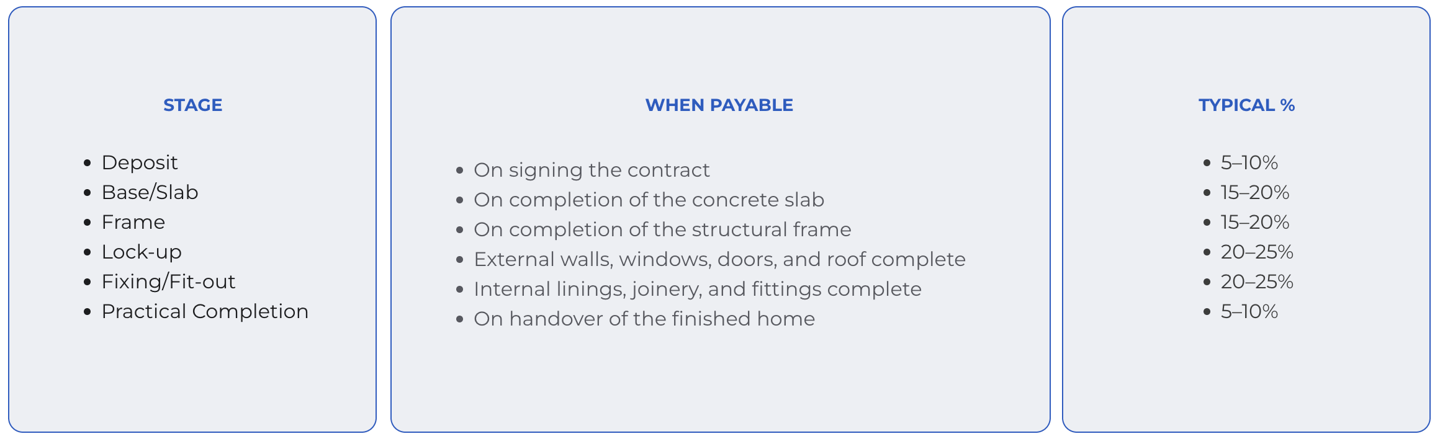
Under NSW law, all residential building contracts over $20,000 must include a progress payment schedule. Progress payments must be for a specified amount or percentage of the contract price, payable following the completion of a clearly defined stage of work.
For a typical new home build, the payment stages generally follow this structure:
What fixed-price doesn't cover
Fixed-price means the agreed total will not increase from WNC's end without your prior approval. However, two things can legitimately change the contract price: approved variations where you request something different or additional to the original scope, and unforeseen site conditions such as unexpected soil conditions or buried structures discovered during excavation. In both cases, Will will notify you, provide a written variation quote, and wait for your approval before any additional work proceeds.
Cost-Plus Contract
A cost plus contract can be a great option for renovations, extensions, custom homes, or projects where the full scope is not completely known at the beginning. Under a cost plus arrangement, the client pays the actual cost of the build, including labour, materials, subcontractors, permits, and other project expenses, plus an agreed builder’s margin or management fee.
This approach can offer more flexibility, especially where plans may evolve, hidden conditions may be uncovered, or selections are still being finalised. It also allows work to begin without needing every detail locked in upfront.
Cost plus contracts rely on trust, transparency, and strong communication. At WNC, we support this with regular payment claims, detailed cost tracking, clear reporting, and access to project expenses, so clients can see exactly how their money is being spent.
For the right project, and where there is a strong relationship between client and builder, cost plus can be a transparent and practical way to build. It reduces the need for large risk allowances often built into fixed-price contracts and allows the team to focus on quality, problem-solving, and achieving the best outcome for the home.
What is a building variation or change order and how are they handled?
A variation (also called a change order) is any change to the agreed scope of work after the contract is signed. Common examples include a client requesting a different material, adding a feature not in the original plans, or unexpected site conditions requiring additional work.
At WNC, every variation is handled the same way: Will identifies the change, prepares a written variation notice outlining the scope and cost, and presents it to you for review and sign-off before any additional work is carried out. You will never find an unexpected cost on your invoice without having approved it first.
All approved variations are recorded in your payment tracker so you always have a complete financial picture of the project.
Services and Timeframes
What services does WNC offer?
We specialise in three core services for residential clients on the NSW South Coast:
Renovations: Full and partial home renovations, kitchen and bathroom transformations, and coastal property upgrades of all sizes.
Extensions: Single and double-storey additions, rear extensions, granny flats, alfresco areas, and outdoor living spaces.
Custom New Homes: Design-led new builds from slab to handover, including architectural builds, coastal homes, and dual-occupancy projects.
We do not take on commercial projects, strata works, or small-scale trades-only jobs. Our focus is residential, and that focus is intentional, it is what we do best.
How long does a typical renovation, extension, or new home take?
Build timelines vary depending on scope and complexity. As a general guide:
Bathroom or kitchen renovation: 4–12 weeks on site.
Partial home renovation: 3–5 months.
Full home renovation: 5–9 months.
Single-storey extension: 4–7 months.
Custom new home (standard): 10–14 months from slab to handover.
Architectural or complex new home: 14–20 months.
These are build timelines only. Add 3–6 months (sometimes longer) for design, approvals, and planning before construction begins. Starting your conversations with Will early is the single best thing you can do to protect your overall timeline.
Do I need an architect or building designer before contacting WNC?
No. You can contact Will at any stage of your project even if you only have a rough idea of what you want. Will can provide early guidance on what is realistic, help you think through scope and budget before plans are drawn, and recommend trusted local designers and architects when needed.
Starting the builder conversation early before finalising your design is actually beneficial. It means the design can be developed with a clear understanding of construction costs, which prevents expensive surprises when the plans are priced later.
How do you handle communication during a build?
Will is available to clients directly throughout the build - by phone, text, or email. You are never passed to a receptionist or a project manager when you have a question about your job.
In addition to direct access, we hold a weekly site meeting where Will walks through current progress, upcoming work, selections due, scheduling, and any items that need a decision. These meetings keep you across the build without requiring you to be on site every day.
You also receive a fortnightly payment claim and tracker that documents all financial activity on the project. Between direct access, weekly meetings, and the payment tracker, there are no surprises.
Each week, WNC sends a project update email with a PDF. This includes a summary of what was completed that week, photos of key progress milestones on site, what is coming up in the following week, any decisions or selections required from you, and any variations or changes discussed. It arrives every Friday so you go into the weekend knowing exactly where your build is at.
What happens if there are delays or unexpected issues during a build?
Building projects encounter unexpected situations; it is the nature of construction. What matters is how those situations are handled. At WNC, you will always hear about a problem from us before it becomes a crisis.
When an issue arises, Will contacts you directly, explains what has happened, outlines the options, and recommends a path forward. Nothing additional is spent and no scope is changed without your prior approval.
Common causes of delays include extended wet weather, unexpected site conditions (discovered once digging begins), and supply delays for specific materials. We plan for contingency in the schedule where possible and communicate proactively when timelines shift.
Approvals and Building Regulations
Do I need council approval for my renovation, extension, or new home?
Most significant building work in NSW requires some form of approval. The two main approval pathways are:
Development Application (DA): Required for most new homes, larger extensions, and renovations that change the external appearance or footprint of a property. DAs are assessed by Shoalhaven City Council and can take 3–12 months or longer depending on the complexity of the application.
Complying Development Certificate (CDC): A faster pathway for projects that meet specific pre-set standards under the NSW Housing Code. CDCs are approved by a private certifier rather than council and can be issued in weeks rather than months, where the project qualifies.
Some minor internal renovation work may be exempt from approval entirely. Will can advise on the likely approval pathway for your specific project at the initial consultation.
How long do council approvals take on the NSW South Coast?
Development Approvals (DAs) through Shoalhaven City Council currently take between 3 and 6 months for straightforward residential applications, and longer for complex or contested applications. Coastal sites, heritage-listed properties, or land with environmental overlays can add significantly to approval timelines.
Complying Development Certificates (CDCs) through a private certifier can be issued in as little as 4–6 weeks for projects that meet the required standards.
The approval timeline is often the most underestimated part of a build project. Starting the approval process early, ideally before you have engaged a builder, is the single most effective way to protect your overall timeline.
What building standards and codes apply to construction on the NSW South Coast?
All residential building work in NSW must comply with the National Construction Code (NCC) and relevant Australian Standards. On the South Coast, additional considerations include:
Coastal setbacks: Many South Coast properties are subject to minimum setback requirements from the coastline, estuaries, and flood-prone land.
BAL (Bushfire Attack Level) ratings: Properties near bushland must be designed and built to withstand specific levels of bushfire exposure. This affects materials, windows, and construction methods.
Flood overlays: Some South Coast properties sit within flood-affected land and require elevated floor levels and flood-resistant construction.
Environmental protections: Coastal and estuarine environments are subject to additional environmental protections that can affect what can be built and where.
WNC's local knowledge of these requirements means fewer approval surprises and better-designed solutions from the start.
What certificates and documentation do you provide at the end of the build?
At practical completion, WNC provides the required certificates and documentation for your build, which typically includes:
Occupation Certificate (OC): Issued by a certifier confirming the building is suitable for occupation and complies with the approved plans and relevant standards.
Subcontractor certificates: Including plumbing and drainage compliance certificates, electrical safety certificates, Glazing certificate, Termite protection certificate, Waterproofing Certificate and any other trade-specific compliance documents.
Milestone certifier and engineers inspection certificates
Warranty documents: For appliances, windows, and other warranted products installed during the build.
Owner's manuals: For mechanical systems, appliances, and other installed equipment.
Coastal Building
(South-Coast Specific)
Is building near the ocean more expensive than building inland?
Yes, typically. Coastal builds carry a premium over comparable inland projects for several reasons:
Material specifications: Salt air accelerates corrosion in metals and degrades certain coatings, timbers, and sealants. Coastal builds require specific materials throughout - stainless steel fixings, marine-grade hardware, appropriate cladding systems, and double-glazed windows with thermally broken frames in exposed locations. These materials cost more but are essential for longevity.
Site conditions: Coastal soils can be sandy, highly reactive, or subject to ground movement, which affects foundation design and cost.
Coastal setbacks and compliance: Additional design requirements and approval conditions on coastal land can add to both design and construction costs.
Trade availability: Experienced coastal builders and tradespeople are in demand on the South Coast, which is reflected in local labour rates.
The good news is that a well-built coastal home, with the right materials and methods, will hold its value and require significantly less maintenance than one that cut corners on the specification.
What materials does WNC recommend for coastal homes?
Material selection for coastal builds depends on distance from the ocean and the specific exposure of the site. Generally, we look for materials that are inherently resistant to salt air, moisture, and UV degradation rather than materials that rely entirely on coatings to perform.
Common recommendations include: fibre cement cladding (James Hardie Linea or Axon) for exteriors rather than untreated timber; stainless steel or powder-coated aluminium for fixings and hardware; double-glazed windows with marine-grade frames in exposed locations; non-reactive roofing such as Colorbond in appropriate grades; and treated or composite decking rather than raw hardwood in directly exposed positions.
We select materials project by project based on the site's specific conditions rather than applying a blanket specification. What works well 500 metres from the beach may be overkill 5 kilometres inland.
What is Bushfire Attack Level (BAL) rating and does it affect my build?
A BAL (Bushfire Attack Level) rating is an assessment of the risk a property faces from a bushfire. In NSW, properties near bushland are required to have a BAL assessment as part of the development approval process. The rating ranges from BAL-LOW (minimal risk) to BAL-FZ (Flame Zone - the highest risk).
The higher the BAL rating, the more stringent the construction requirements. This can affect the materials used in walls, roofing, windows, and decking, and can add cost to a build if the site is in a high-risk zone.
Many South Coast properties particularly those near the coast or in semi-rural locations, carry BAL ratings that need to be accounted for in the design. Will can advise on how your BAL rating is likely to affect your build during the initial consultation.
Can you build on steeply sloped or difficult coastal sites?
Yes. WNC has experience building on challenging sites including steep slopes, sandy soils, flood-affected land, and tight coastal blocks. These sites require more detailed engineering and planning but they are also some of the most rewarding projects to build, often producing the most distinctive and liveable homes.
The key with a difficult site is getting the right advice early. Site costs on a challenging block can vary significantly from initial estimates if they are not properly investigated before the contract is signed. We recommend a thorough site assessment, including a geotechnical soil report where appropriate, before finalising any design or budget.
Do you build holiday homes and short-stay investment properties?
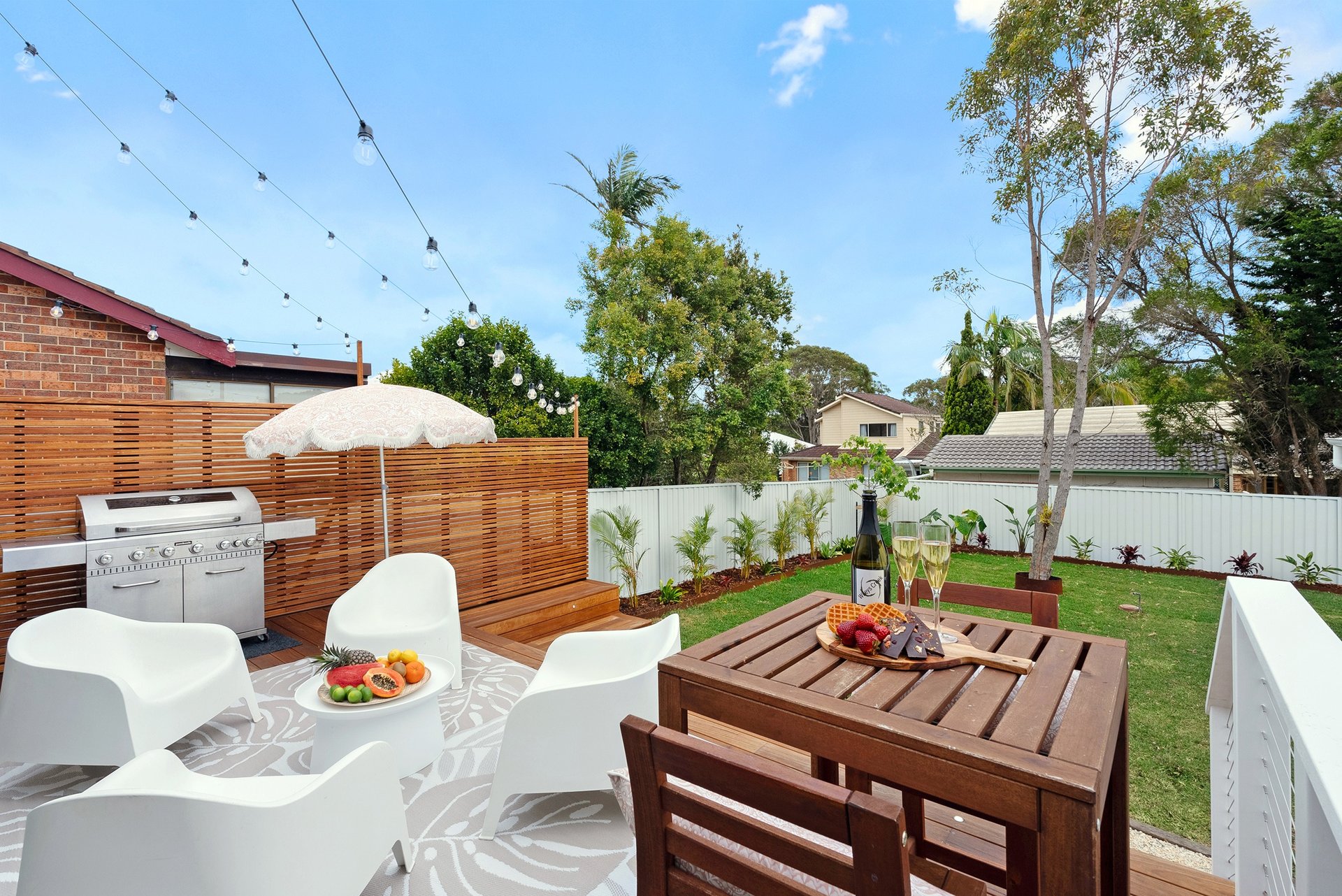
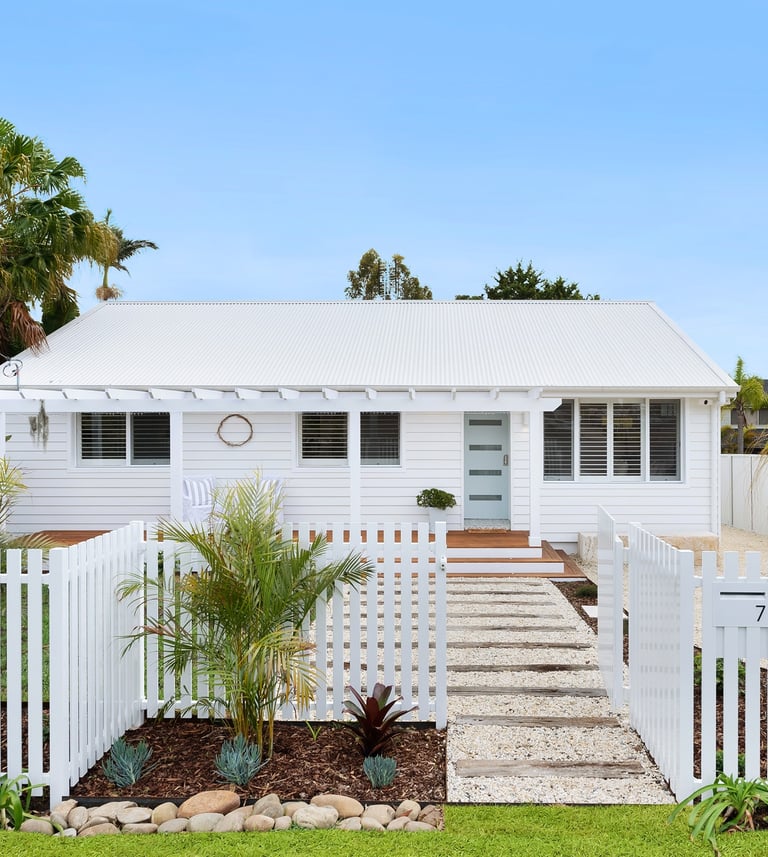
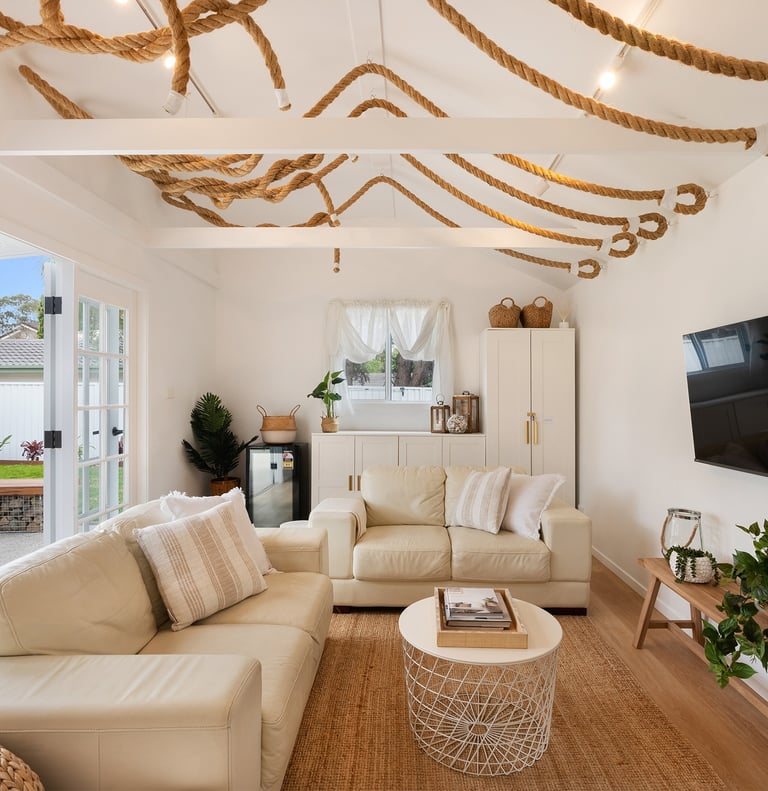
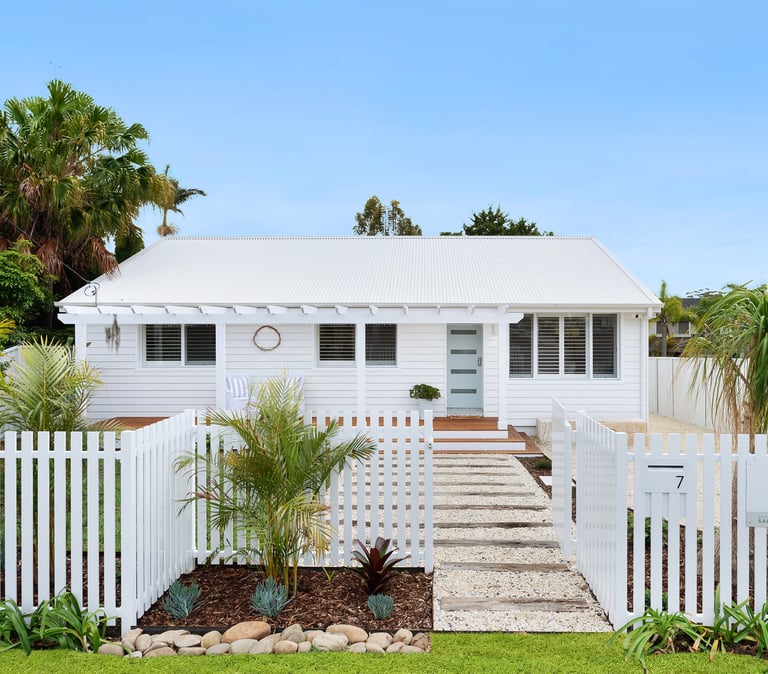
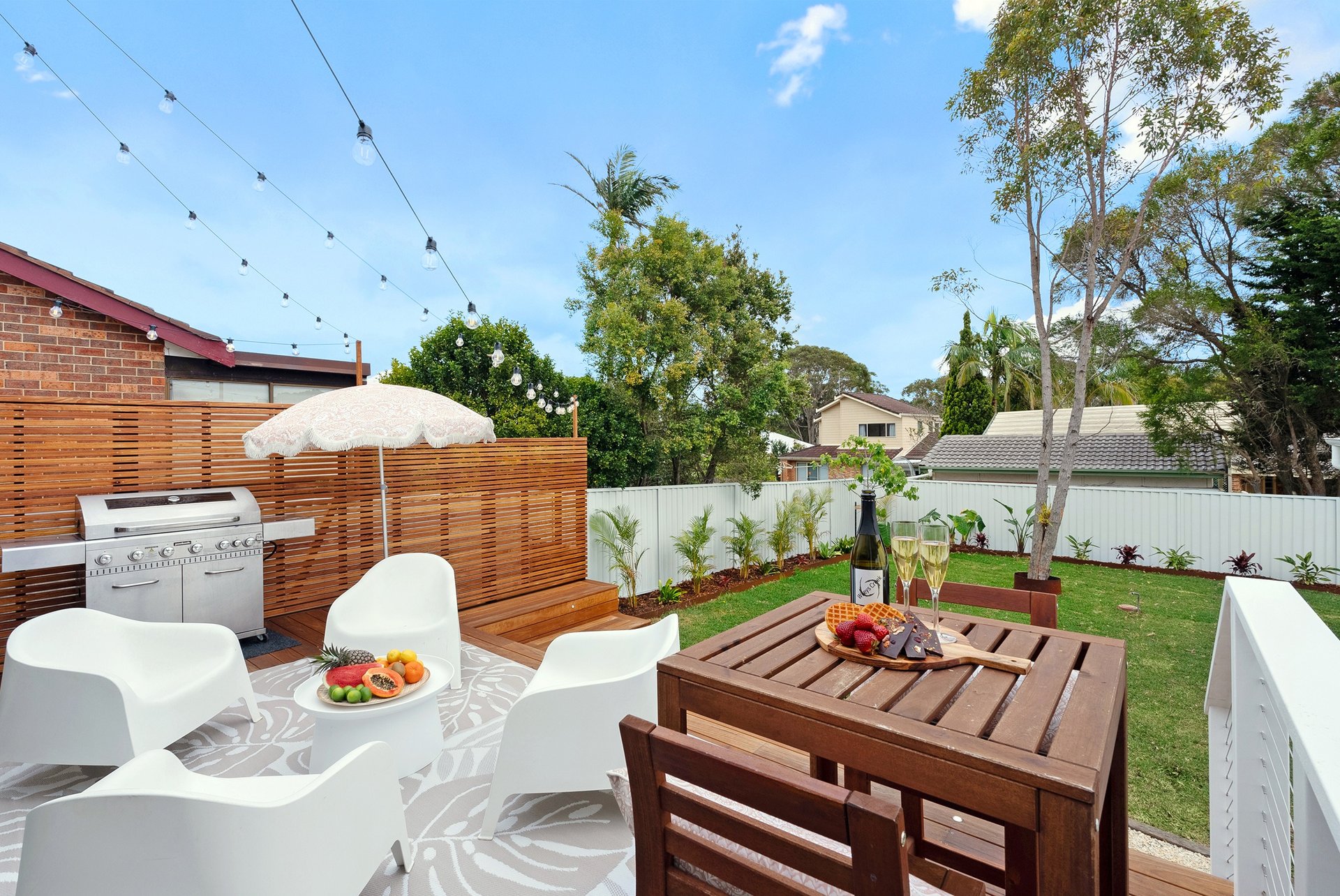
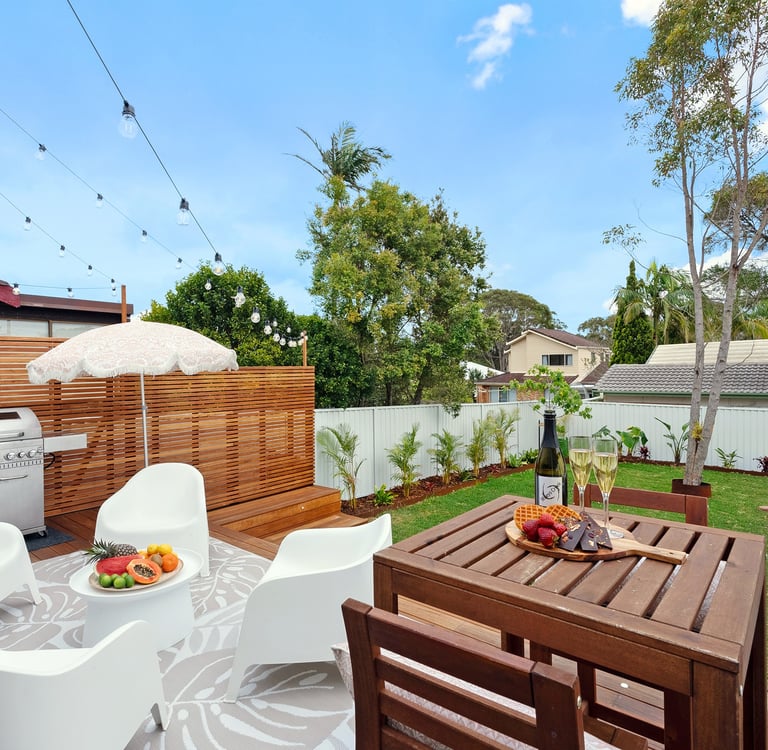
Yes. We have experience building and renovating properties that are subsequently used as holiday homes or short-stay rental investments on the South Coast. The SALT Vincentia project, now one of the most-booked short-stay properties on the Jervis Bay coast, is one example of this work.
Holiday home builds and renovations have their own design considerations: durability of finishes, ease of maintenance, low-maintenance landscaping, and layouts that work for different groups of guests. We understand these requirements and can design and build with them in mind.
Getting Started With WNC
How do I get started with WNC?
The easiest way is to call Will directly on 0414 878 543. If you prefer, you can fill in the enquiry form on our contact page and Will will be in touch within 24 hours.
From there, we will arrange a free initial conversation, in person at your site where possible, or by phone or video call. That conversation will give you a realistic picture of what is possible for your project and what the process looks like from here.
You do not need to have finalised plans or a locked-in budget to reach out. The earlier the conversation, the better the outcome.
How far in advance should I contact WNC?
As early as possible. WNC takes on a limited number of projects each year to maintain the standard of work and the direct-access promise we make to every client. Our build schedule typically fills 3–6 months in advance.
If you are planning a build in 2027, reaching out now is not too early. It gives us time to have the right conversations, helps you plan approvals and design with a realistic timeline, and means you are not competing with other enquiries for a start date that works for you.
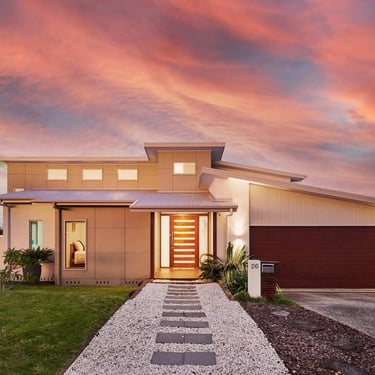
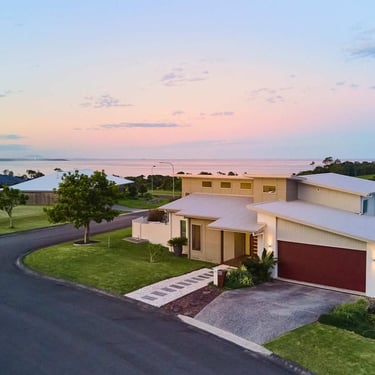
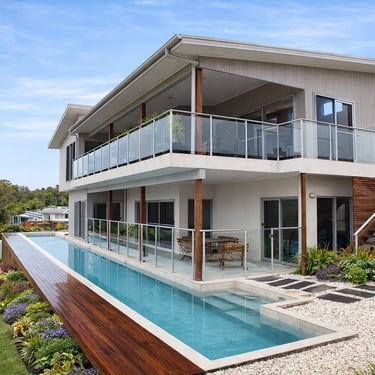
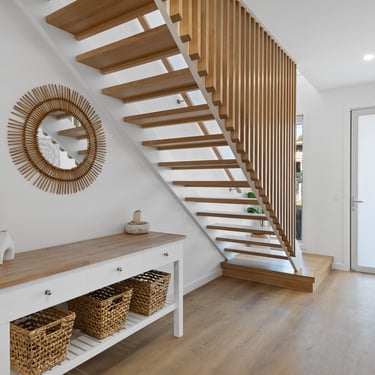
Can I see examples of WNC's past work before deciding?
Yes. Our project gallery on the website shows examples of completed renovations, extensions, and new home builds across the NSW South Coast. You can also follow along with current builds on our Instagram at @willnelsonconstructions.
If you would like to speak to a previous client about their experience building with WNC, we are happy to arrange that. We see it as one of the most important things a prospective client can do before choosing any builder, and a good builder should welcome the question.
What areas does WNC service and can you build outside the South Coast?
Our primary service area is the NSW South Coast, specifically the Shoalhaven region including Nowra, Vincentia, Huskisson, Jervis Bay, St Georges Basin, Berry, Callala Beach, Sanctuary Point, and surrounding areas.
We occasionally take on projects slightly outside this area where the right project and client fit exists. If you are based nearby southern Highlands, Illawarra, or further south along the coast, reach out and we will let you know honestly whether we can help.
We do not build in Sydney or other metro areas. Our focus on the South Coast is deliberate, it is where our local knowledge, trade relationships, and council experience are strongest, and that is where we can deliver the best outcomes for clients.
Ready to build?
If you are thinking about building, renovating, or extending, we would love to hear about your project.